
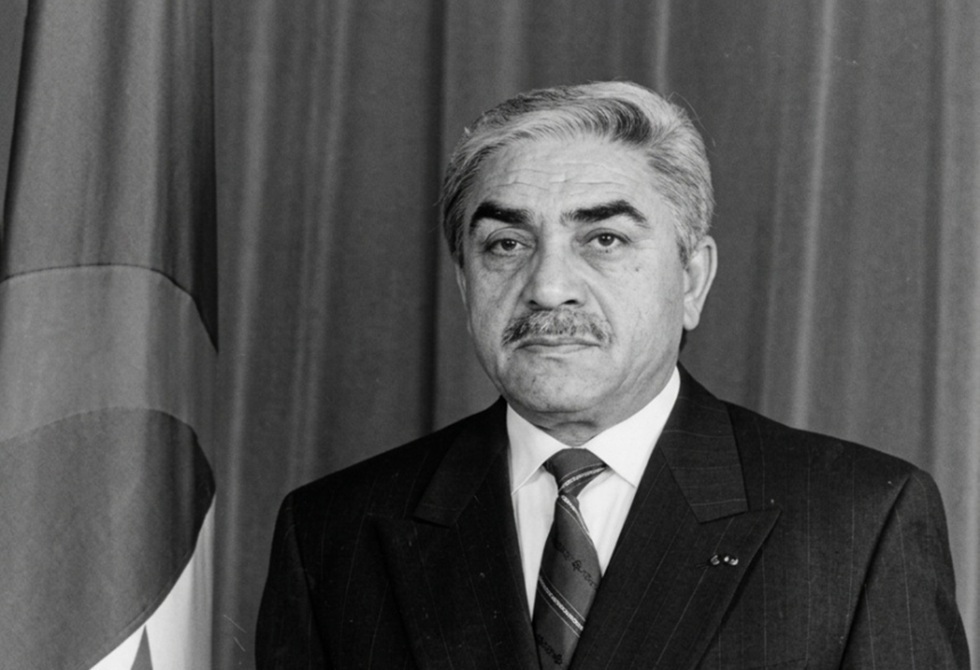
Prepared by Lakhal Mohamed
Liamine Zeroual was not merely a former President of Algeria; he was a man of a pivotal era, who led the country through one of its darkest chapters and contributed to steering it toward stability after years of violence and bloodshed. While he was laid to rest three days ago in his hometown of Batna, the debate has once again resurfaced on how to preserve his legacy—not only symbolically, but also through academic and educational frameworks.
Zeroual… From Batna’s Son to a Unifying National Symbol
It is true that Liamine Zeroual belongs geographically to the city of Batna, but his stature goes far beyond regional identity. He became a unifying national symbol in the collective memory of Algerians, especially as he assumed leadership at a time when options were limited and challenges were highly complex.
Zeroual was known for his calm and balanced leadership style—far from populist rhetoric and close to the concerns of the people. He managed to earn the trust of broad segments of Algerian society, not only through his decisions but also through his personality, which combined simplicity with firmness.
The “Mercy Law”… A Model Worth Teaching
Among his most notable achievements was his handling of the security crisis that Algeria faced during the 1990s. He adopted an approach based on de-escalation and opening the door for those who had gone astray to return. This policy, later known as the “Mercy Law” process, played a significant role in reducing violence and reintegrating thousands of young people into normal life.
What distinguishes this experience is that it was not merely a political decision, but a comprehensive vision that combined firmness with reconciliation. This makes it a unique model in crisis management. Therefore, incorporating this phase into university curricula, educational programs, and even leading military academies would be a necessary step toward understanding how nations can emerge from complex crises with minimal losses.
Between Symbolic Tribute and Historical Recognition
Although Liamine Zeroual was buried in his hometown of Batna alongside his family members, growing calls are being made to honor him in a manner befitting his stature. Among these is the proposal by former minister Mohieddine Amimour to erect a memorial at El Alia Cemetery alongside the great figures of the state, as well as near the spiritual symbol and founder of modern Algeria, Emir Abdelkader.
Such proposals reflect a desire to do justice to a man who contributed to saving the state from collapse and gave it a new chance at life. Speaking about Liamine Zeroual is, in essence, speaking about a pivotal chapter in Algeria’s history—one where pain intertwined with hope, and danger with opportunity.